
An ACL injury is one of the most significant setbacks an athlete can face, but modern rehabilitation options — including emerging non-surgical approaches — mean the path forward looks different for every patient. Here's an in-depth look at your options after an acute ACL injury.
Understanding the ACL
The anterior cruciate ligament (ACL) is one of the key stabilising ligaments in the knee, and it's commonly injured through non-contact mechanisms — landing awkwardly, sudden direction changes, or pivoting movements common in sports like football, netball and skiing.
Surgical vs non-surgical management
Traditionally, ACL tears in active people were almost always managed surgically. However, growing research has expanded the conversation around non-surgical management for appropriately selected patients, including newer approaches like the Cross Bracing Protocol, which explores whether the ACL can heal in some cases with a structured bracing and rehabilitation program rather than reconstruction. This isn't appropriate for everyone, and the right path depends on the specific injury, your goals, and other structures involved in the knee.
What determines the best path for you?
Factors include the severity and pattern of the tear, whether other knee structures are also injured, your activity level and goals (return to pivoting sport typically favours a different approach than a lower-demand lifestyle), and your age and overall knee health. A thorough assessment, often alongside imaging and specialist orthopaedic input, is essential to making an informed decision.
Rehabilitation: surgical pathway
For those proceeding with ACL reconstruction, rehabilitation is a lengthy, staged process — typically 9–12 months or more before return to pivoting sport — progressing through swelling and pain management, restoring range of motion, progressive strengthening, and finally sport-specific and return-to-play testing.
Rehabilitation: non-surgical pathway
Non-surgical approaches, including protocols like Cross Bracing, involve their own structured rehabilitation timeline, with a strong emphasis on protecting the healing ligament in the early phase before progressing through similar strengthening and functional stages.
The importance of criteria-based return to sport
Regardless of pathway, returning to sport based on objective strength, movement quality and confidence measures — rather than simply a timeframe — significantly reduces the risk of reinjury, which remains elevated for the first year or more after an ACL injury.
If you've suffered an ACL injury, book a thorough assessment with our sports physiotherapy team to discuss the options available to you and build the right rehabilitation plan.
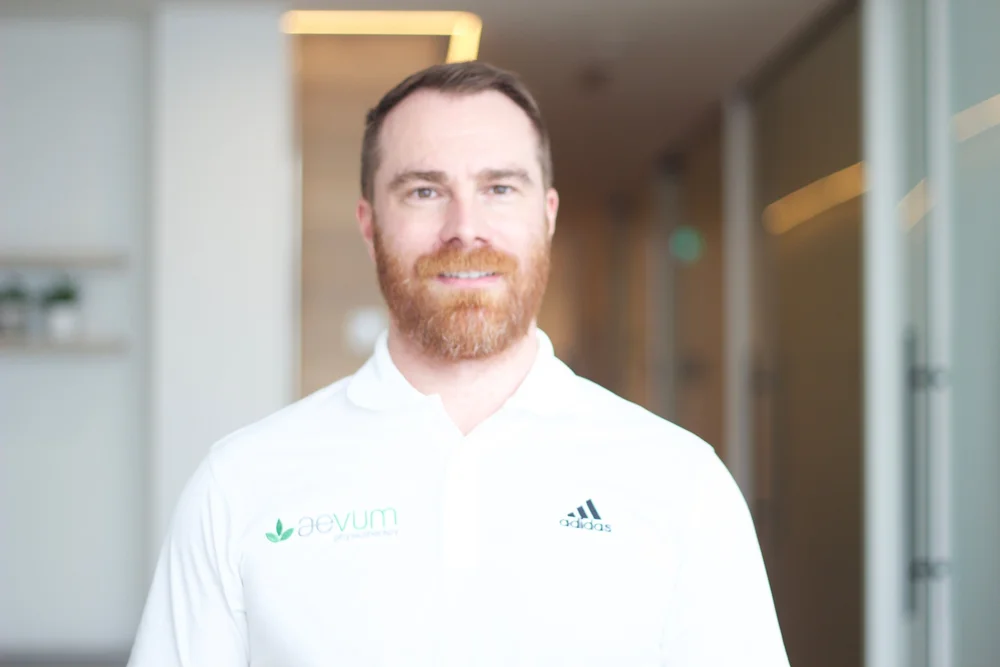
Written by Aaron Babb, MAppSc Physiotherapy — Founder & Director, Aevum Health & Physiotherapy.