
Rehabilitation is critical to stroke recovery, helping patients regain independence, mobility and quality of life. Understanding the key components of effective rehabilitation — and starting them early — makes a meaningful difference to outcomes.
Why rehabilitation matters after stroke
Stroke can affect movement, speech, cognition and daily function, depending on which part of the brain is affected. While some recovery happens naturally as the brain heals, structured rehabilitation significantly improves the extent and speed of recovery by actively training the brain and body to relearn lost functions.
Key components of stroke rehabilitation
- Physiotherapy — rebuilding strength, balance, coordination and movement, working toward walking and functional mobility
- Occupational therapy — restoring the skills needed for daily living, from dressing to cooking to returning to work
- Speech pathology — addressing communication and swallowing difficulties, both common after stroke
- Multidisciplinary coordination — the best outcomes come from a team working together with shared goals
The importance of early rehabilitation
Rehabilitation typically begins as soon as a patient is medically stable, often within days of the stroke. Early, intensive therapy takes advantage of the brain's heightened capacity for change in the weeks and months following stroke, though meaningful progress can continue well beyond this window with continued therapy.
Setting realistic, motivating goals
Effective rehabilitation is built around goals that matter to the individual — whether that's walking independently, returning to a hobby, or managing daily tasks without assistance. Clear, meaningful goals help maintain motivation through what can be a demanding recovery process.
Technology in modern stroke rehabilitation
Advanced equipment — including gait training systems like the Motek C-Mill and robotic devices for hand function — can enhance traditional therapy by allowing more intensive, engaging and measurable practice.
Recovery is a journey, not a single event
Stroke recovery timelines vary enormously between individuals. Consistent, well-structured rehabilitation, together with patience and support, gives every patient the best chance of achieving their fullest possible recovery.
If you or a family member is beginning the stroke recovery journey, our neurological rehabilitation team is here to help. Contact us to discuss a tailored program.
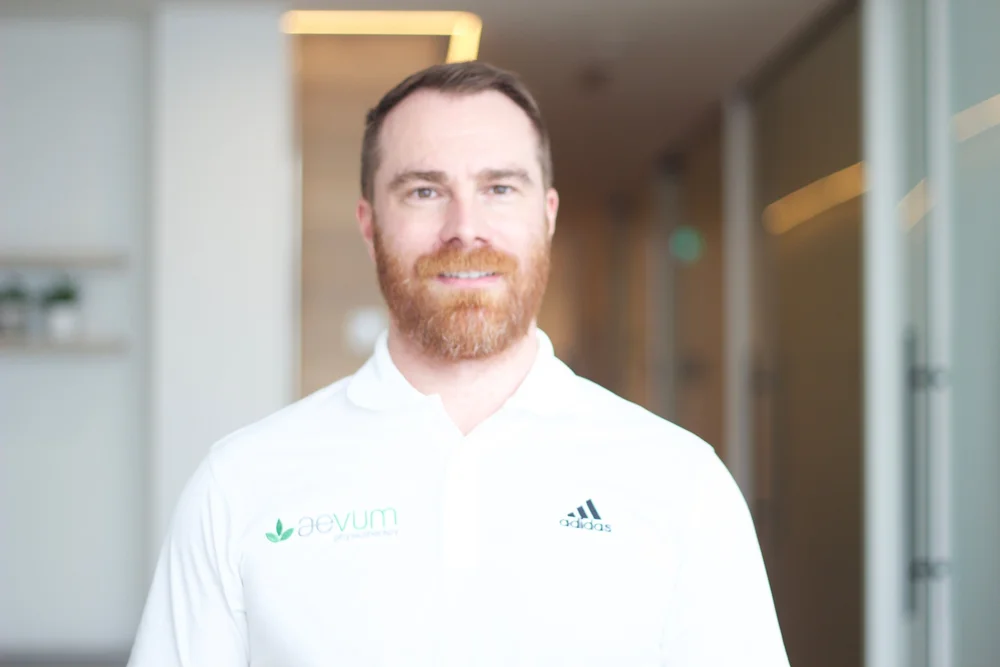
Written by Aaron Babb, MAppSc Physiotherapy — Founder & Director, Aevum Health & Physiotherapy.