
Ankle sprains are one of the most common injuries we see, whether from sport, an uneven footpath, or simply missing a step. Accurate diagnosis is key — it's essential to rule out fractures, cartilage and tendon injuries, so a thorough assessment by a physiotherapist is a vital first step.
Understanding ankle sprains
A sprain occurs when the ligaments supporting the ankle are stretched or torn, most commonly through an inward roll of the foot (inversion). Severity ranges from mild stretching with minimal swelling, through to a complete ligament tear with significant instability.
Why proper assessment matters
Not every ankle injury is a simple ligament sprain. Fractures, particularly around the growth plates in younger patients, and injuries to tendons or cartilage can present similarly to a sprain but require different management. A thorough physiotherapy assessment — and imaging where indicated — ensures the right treatment path from the start.
Initial management
In the first 24–48 hours, protecting the ankle from further injury while managing swelling is the priority: relative rest from aggravating activity, ice, compression (taping or bracing), and elevation. Avoid pushing through significant pain, as this can prolong recovery.
Rehabilitation
A structured rehabilitation program is the biggest factor in a full recovery and in preventing re-injury. This generally progresses through: reducing pain and swelling, restoring full range of motion, rebuilding strength — particularly in the muscles that control side-to-side ankle stability, and balance (proprioception) training, before a graded return to sport or activity.
Preventing future sprains
Once you've sprained an ankle, you're more likely to do it again, which makes prevention just as important as treatment. Ongoing balance training, ankle strengthening as part of a regular routine, proper warm-ups, and taping or bracing for those with a history of sprains all reduce the risk of recurrence.
If you've rolled your ankle and it isn't improving as expected, book an assessment with our team for an accurate diagnosis and a tailored recovery plan.
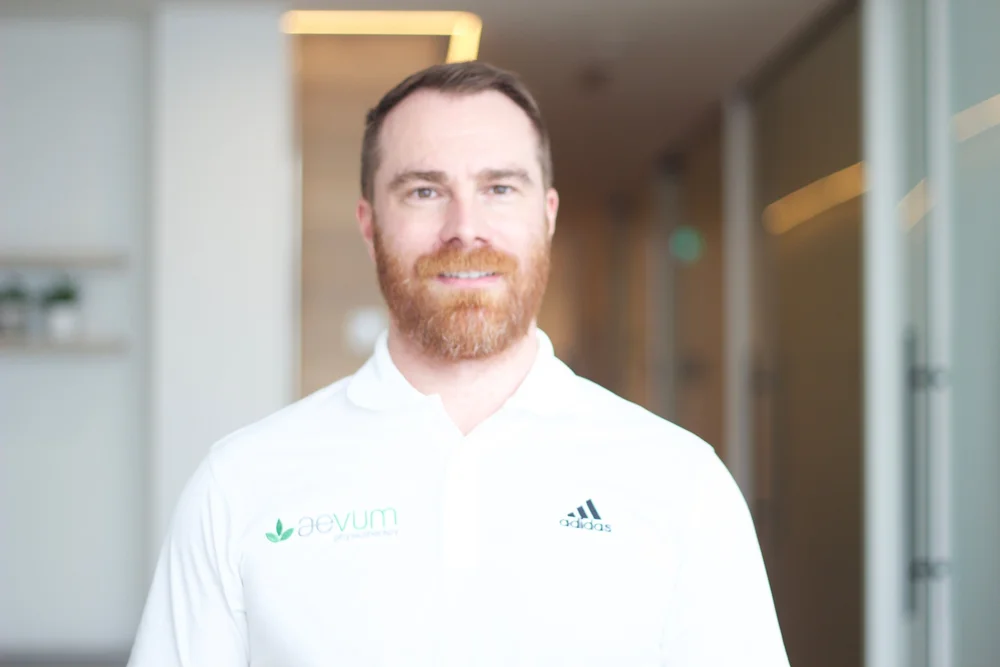
Written by Aaron Babb, MAppSc Physiotherapy — Founder & Director, Aevum Health & Physiotherapy.