
Many people suffer from plantar fasciitis, one of the most common causes of heel pain. Here's what you need to know, along with tips and advice on how to ease your pain and see genuine improvement.
What is plantar fasciitis?
Plantar fasciitis is irritation of the plantar fascia — a thick band of tissue running along the bottom of the foot, connecting the heel to the toes. It becomes overloaded and irritated, typically causing pain at the bottom of the heel.
Recognising plantar fasciitis
The classic symptom is heel pain that's worst with the first few steps in the morning or after sitting for a while, often easing somewhat with continued movement but potentially worsening again after extended standing or activity.
What causes it?
Plantar fasciitis often develops from a combination of factors — a sudden increase in weight-bearing activity, prolonged standing, unsupportive footwear, tight calf muscles limiting ankle movement, and biomechanical factors affecting how load moves through the foot.
How physiotherapy helps
- Load management — adjusting aggravating activities while the tissue settles, without necessarily stopping everything
- Stretching — for the calf muscles and plantar fascia itself, addressing the tightness that often contributes to the condition
- Strengthening — building strength in the muscles supporting the foot's arch improves the foot's ability to handle load
- Footwear advice — supportive footwear appropriate to your foot type can make a meaningful difference
- Taping or orthotic support — can provide additional relief while the tissue heals, particularly in the early, more painful stage
- Manual therapy — to help manage pain and improve tissue mobility
Recovery timeline
Plantar fasciitis can take weeks to a few months to fully resolve, and consistency with your program — particularly stretching and strengthening — matters more than any single treatment. Most people see steady, genuine improvement with a well-managed, consistent approach.
If plantar fasciitis is affecting your daily life, book an assessment with our physiotherapy team to get started on a tailored recovery plan.
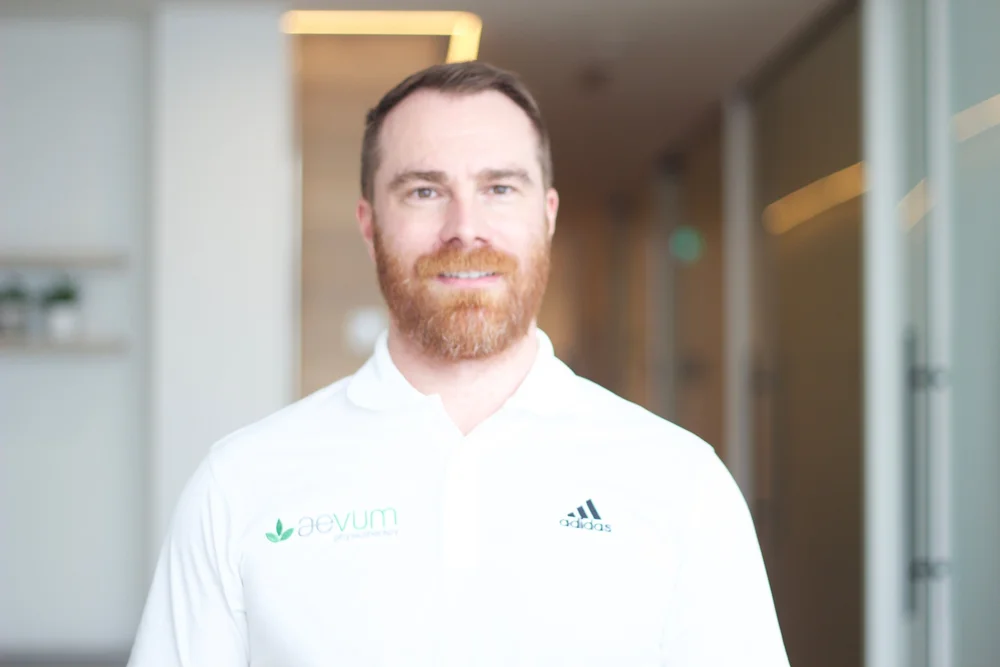
Written by Aaron Babb, MAppSc Physiotherapy — Founder & Director, Aevum Health & Physiotherapy.