
Many parents hear their child say "my legs hurt" in the evening and wonder whether it's simply growing pains. In most cases, that's exactly what it is — a common, harmless experience in active children. But not all childhood leg pain is harmless, and knowing the difference helps you decide when reassurance is enough and when it's time to book an assessment.
What are growing pains?
Despite the name, growing pains aren't actually caused by growth — bones don't hurt as they lengthen. The name persists because the pain typically occurs during childhood growth years, most often between ages 3 and 12. The likely causes are day-to-day muscle fatigue from running, jumping and playing, combined with normal variations in a child's activity level.
Typical features of growing pains
- Occur in both legs, often in the shins, calves, thighs or behind the knees
- Happen in the late afternoon or evening, or wake a child at night
- Resolve by morning, with the child moving normally the next day
- Come and go, sometimes for weeks or months, without getting progressively worse
- No swelling, redness or limping is present
When it might not be growing pains
See a physiotherapist or GP if you notice pain in only one leg, pain that persists into the morning, swelling, redness or warmth around a joint, a limp, reduced willingness to bear weight, fevers alongside the pain, or pain that is steadily getting worse rather than coming and going. These signs don't necessarily mean something serious, but they warrant a proper assessment to rule out other causes such as growth-related conditions (like Osgood-Schlatter or Sever's disease), injury, or other less common causes.
How physiotherapy can help
For genuine growing pains, physiotherapy isn't usually about "fixing" a problem — it's about reassurance, gentle stretching routines, and simple strategies like a warm bath or gentle massage before bed. Where an assessment identifies something more specific — a growth-related condition, muscle tightness from a rapid growth spurt, or early signs of overuse from sport — our paediatric physiotherapists can put together a tailored plan to keep your child comfortable and active.
If your child's leg pain doesn't fit the typical growing-pains pattern, or you'd simply like peace of mind, book a paediatric physiotherapy assessment with our team in the Sutherland Shire.
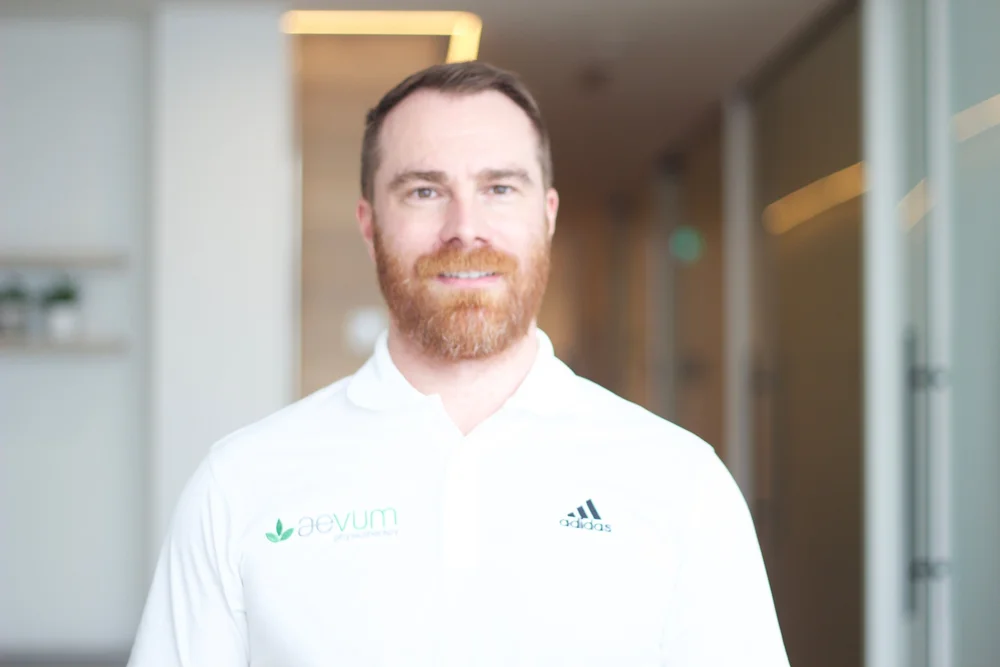
Written by Aaron Babb, MAppSc Physiotherapy — Founder & Director, Aevum Health & Physiotherapy.