
Cerebral palsy (CP) is a movement disorder caused by injury to the developing brain, and around 34,000 Australians live with the condition. This is a clear explainer of what CP is, what causes it, and how the right support makes a genuine difference.
What is cerebral palsy?
Cerebral palsy describes a group of disorders affecting movement and posture, caused by damage to the developing brain — usually before, during or shortly after birth. It's the most common physical disability in childhood, and while the brain injury itself doesn't worsen over time, its effects on movement can change as a child grows.
What causes CP?
CP can result from a range of factors, including reduced oxygen to the brain around birth, premature birth, infections during pregnancy, and in some cases genetic factors. Often, no single clear cause is identified.
How CP varies from person to person
CP affects everyone differently, ranging from mild coordination difficulties to significant impact on movement and mobility. It's often described by which parts of the body are affected (one side, both legs, or the whole body) and the type of movement difficulty involved (stiffness, involuntary movements, or balance and coordination challenges).
Common features of CP
- Muscle stiffness (spasticity) or, less commonly, low muscle tone
- Difficulties with coordination, balance and posture
- Variation in walking ability, from independent walking to needing mobility aids
- CP can also involve challenges beyond movement, including communication, and in some cases learning
How physiotherapy supports people with CP
Physiotherapy is central to CP management throughout life. In childhood, this often focuses on maximising movement development, building strength and function, and supporting family and carers with strategies for daily care. In adulthood, focus often shifts toward maintaining function, managing pain, and adapting to changing physical needs over time.
Equipment and technology
Modern rehabilitation technology — including gait training systems like the Motek C-Mill — can play a valuable role in building strength, balance and movement confidence for people with CP at various stages of life.
Support through the NDIS
The NDIS provides funding for many of the therapy and equipment needs associated with CP, recognising it as a lifelong condition requiring ongoing support.
If you or a family member is living with cerebral palsy, our team offers experienced, compassionate physiotherapy support at every life stage. Contact us to find out more.
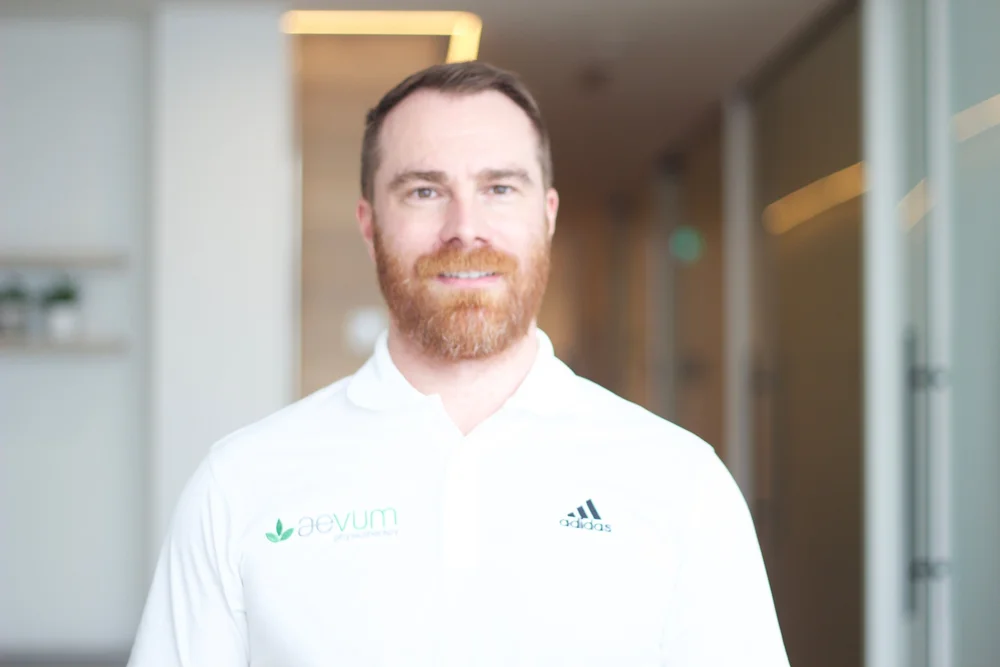
Written by Aaron Babb, MAppSc Physiotherapy — Founder & Director, Aevum Health & Physiotherapy.